

IQOS ILUMA ONE All Colours Reviews in Dubai

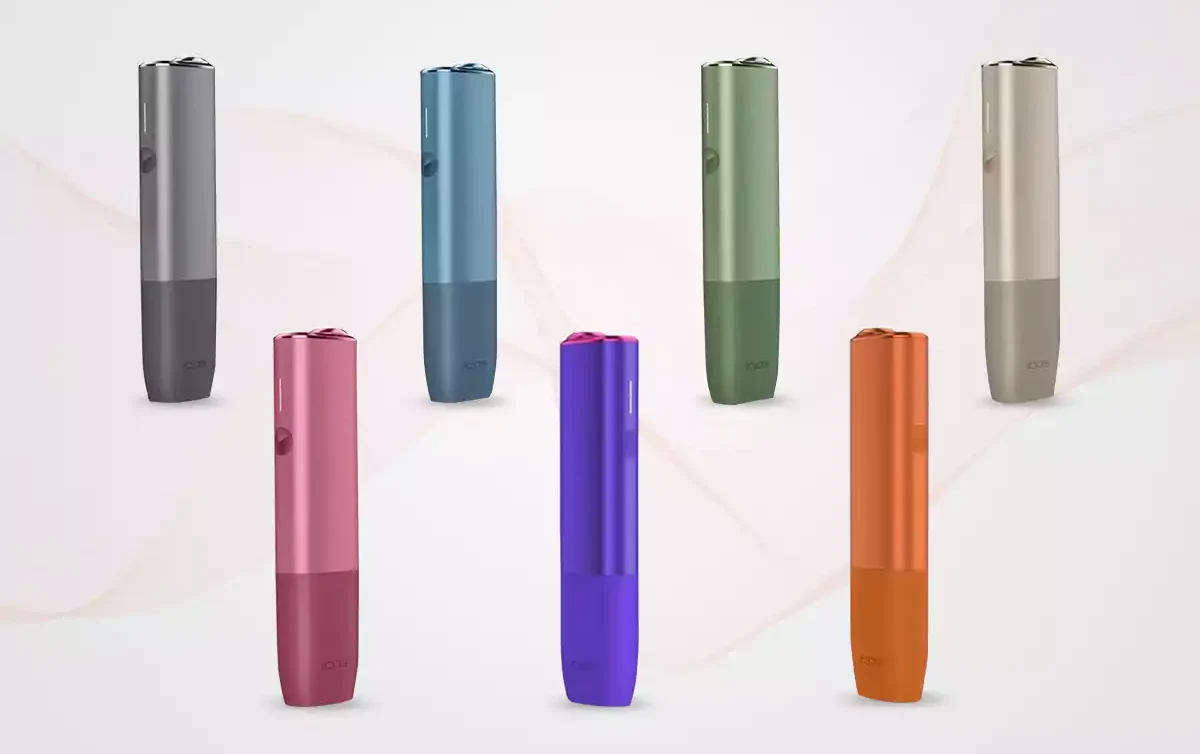
Devices such as the IQOS ILUMA ONE fall into a category called heated tobacco products (HTPs). They are sometimes marketed as alternatives to traditional cigarettes. Instead of burning tobacco (like in cigarettes), these devices heat specially designed tobacco sticks to release an aerosol that users inhale.
It’s important to know that products like these are not the same as nicotine-free products — they still contain tobacco and nicotine, which is a highly addictive substance.
What These Devices Are
A heated tobacco device typically includes:
-
A battery-powered heating element
-
Special tobacco sticks or cartridges designed for the device
-
Sensors and controls to regulate temperature
Rather than burning tobacco at very high temperatures (over 600°C in cigarettes), heated tobacco devices heat tobacco to a lower temperature (often under 350°C). The idea is that heating produces an aerosol instead of smoke, and some companies claim this means fewer harmful chemicals.
When adults talk about devices like this, they often mention:
-
Design and color options (e.g., different finishes)
-
Battery life
-
Ease of use
-
Flavor quality
-
Perceived reduced smell
However, it’s crucial to understand that consumer perceptions do not reflect safety. Adults may share opinions about user experience, but that does not mean the product is safe — especially for teens.
Nicotine and the Teenage Brain
One of the biggest health concerns with heated tobacco products is nicotine addiction.
Impact on the Brain
Nicotine can affect brain development, which continues into your mid-20s. In teenagers, nicotine use can:
-
Harm parts of the brain that control attention, learning, mood, and impulse control
-
Increase risk of future addiction to other substances
-
Cause lasting cognitive effects
Even if products heat tobacco instead of burning it, nicotine exposure still occurs. The brain of a teen is still developing, and nicotine can disrupt that process in ways that are not fully reversible.
What People Often Confuse
There’s a common belief that because a product doesn’t produce “smoke,” it must be safer. But:
-
Aerosol still contains chemicals that can harm lungs and the heart
-
Nicotine itself is harmful and addictive
-
The long-term effects of heated tobacco use are not fully known
-
“Reduced exposure” does not mean “reduced harm”
In other words, adults may praise how a device feels or tastes, but that doesn’t mean it’s healthy — and especially not for teens.
Common Topics Adults Discuss in Reviews
When adults review heated tobacco devices, they often talk about things like:
1. Design & Colors
Brands often release multiple color options and finishes. People might say things like “this looks sleek” or “the matte finish feels nice.”
Keep in mind — that’s about style, not health.
2. Battery Life & Charging
Reviews might cover how long the battery lasts, how fast it charges, and whether it’s convenient for daily use.
This is technical feedback, not a safety endorsement.
3. Flavor & Satisfaction
Users often share opinions on how the aerosol tastes compared to cigarettes or other products. These are subjective and vary widely.
4. Portability & Build Quality
People may talk about how easy the device is to carry or how durable it feels. Again — this is about user experience rather than health impact.
5. Perceived Reduced Smell
Some adults say these products leave less smell on clothes or breath compared to cigarettes. While that may be true, lack of smell does not mean lack of harm.
What Research Says
Healthcare researchers and public health organizations have studied heated tobacco products. The main points from research include:
-
Heated tobacco products still deliver nicotine and other chemicals
-
They are not safe for youth or young adults
-
There is no evidence showing that they help people quit smoking cigarettes
Public health bodies advise that any tobacco product — heated or burned — is unsafe for teenagers because of addiction and long-term health effects.
Legal Age Restrictions
In many countries, laws forbid the sale of tobacco products to people under a certain age, often 18 or 21. This includes heated tobacco devices.
These laws exist because of the health risks associated with early nicotine use.
Safer Alternatives and Health Tips
If your interest in this topic comes from curiosity or pressure from peers, here are healthier ways to think about it:
1. Talk to a Trusted Adult
If you’re feeling pressure to try nicotine products, talking with a parent, guardian, or another trusted adult can help you make healthier choices.
2. Focus on Your Health Goals
Being smoke-free and vape-free supports better lung health, better athletic performance, and improved concentration — all important for teenagers.
3. Ask a Healthcare Professional
If you have questions about nicotine, addiction, or quitting (for you or someone you know), a doctor, nurse, or counselor can provide reliable guidance.
Final Takeaway
Devices like IQOS ILUMA ONE are heated tobacco products that still deliver nicotine and other chemicals. While adults may discuss design, convenience, and user experience in “reviews,” these opinions do not reflect safety, especially for young people.
As a teen, the safest choice is not to use tobacco or nicotine products at all. Your brain and body are still developing, and exposure to nicotine now can have lasting effects.