

How to Choose the Right Vape Device

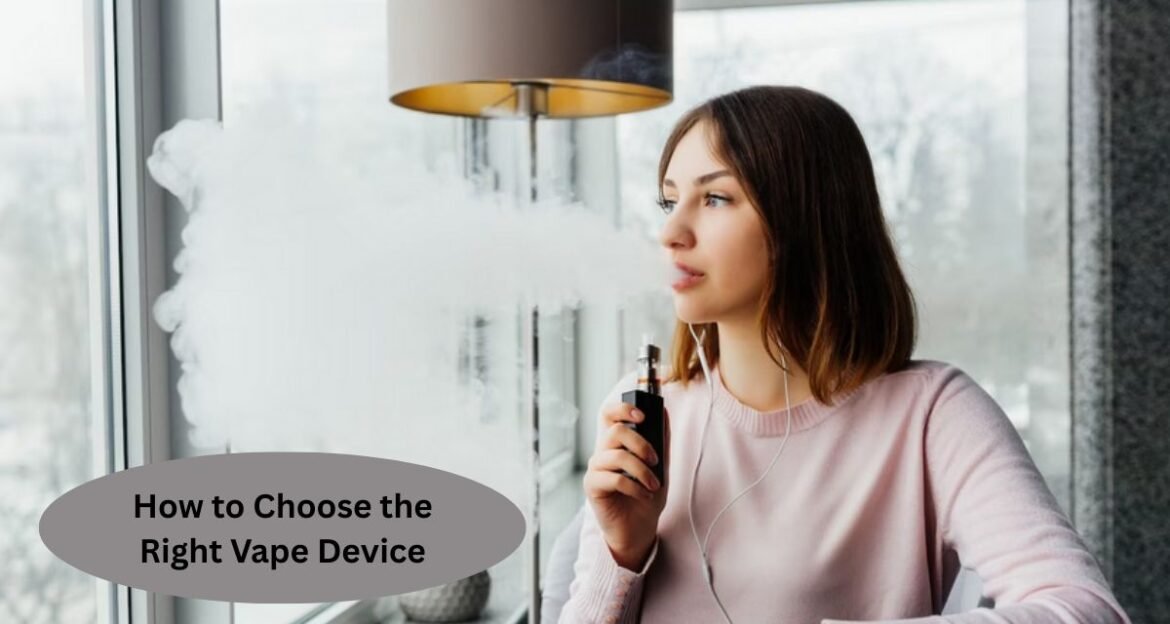
Vape devices, also called e-cigarettes or electronic nicotine delivery systems, are widely discussed but often misunderstood. They vary greatly in design, performance, and purpose, which is why people talk about “choosing the right device.” Understanding these devices requires more than comparing features; it also requires understanding health effects, addiction risks, and why many health experts recommend avoiding vaping altogether—especially for young people and non-smokers.
This guide explains the main categories of vape devices, the features adults usually compare, and the important health context that should be considered before making any decision.
Understanding What Vape Devices Are
A vape device is a battery-powered product that heats a liquid (commonly called e-liquid or vape juice) to create an aerosol that is inhaled. The liquid may contain:
-
Nicotine (a highly addictive substance)
-
Flavorings
-
Propylene glycol and vegetable glycerin
-
Other chemical additives
Unlike traditional cigarettes, vape devices do not burn tobacco. However, “no smoke” does not mean “no harm.” The aerosol still carries substances that can affect the lungs, heart, and brain.
Main Categories of Vape Devices (Neutral Overview)
People often talk about choosing a device based on category. Here are the main types, explained for understanding—not recommendation.
a) Disposable Vape Devices
These are single-use products that come pre-filled and pre-charged.
-
No setup or maintenance
-
Designed to be thrown away after use
-
Often contain high nicotine levels
From a health and environmental perspective, disposables raise concerns due to waste, battery disposal, and ease of access, especially for young users.
b) Pod Systems
Pod systems use replaceable or refillable pods containing e-liquid.
-
Small and portable
-
Often draw-activated
-
Commonly use nicotine salts, which can deliver nicotine more efficiently
Their compact size and flavors have made them popular, but they still deliver addictive nicotine.
c) Vape Pens and Mods
These are larger and more customizable devices.
-
Rechargeable batteries
-
Refillable tanks
-
Adjustable settings like power and airflow
While often described as “advanced,” higher power can mean greater exposure to chemicals.
d) Heated Tobacco Devices
These devices heat processed tobacco rather than liquid.
-
No combustion
-
No ash
-
Still deliver nicotine and tobacco-derived chemicals
They are not risk-free and are regulated as tobacco products in many regions.
Features People Commonly Compare
When adults talk about choosing a vape device, they often compare features. Understanding these features helps explain the conversation—but does not make vaping safe.
a) Nicotine Content
Nicotine strength varies widely. Higher concentrations increase addiction risk and can cause side effects such as dizziness, nausea, and increased heart rate. For teens and young adults, nicotine can affect brain development.
b) Battery Capacity
Larger batteries last longer but also enable more frequent use. More use generally means more nicotine exposure.
c) Flavor Availability
Flavors range from tobacco-style to sweet or fruity options. Research shows flavors play a major role in attracting young users and increasing the likelihood of continued use.
d) Ease of Use
Devices marketed as “simple” often lower the barrier to starting nicotine use. Ease of use should never outweigh health considerations.
4. Health and Safety Considerations (Most Important Section)
Before any discussion of device choice, health must come first.
a) Nicotine Addiction
Nicotine is addictive regardless of how it is delivered. In adolescents and young adults, it can:
-
Affect attention and memory
-
Increase anxiety and mood changes
-
Increase the likelihood of future substance dependence
b) Lung and Heart Effects
Vaping aerosols can irritate lung tissue and affect blood vessels. Some users experience coughing, chest discomfort, or shortness of breath. Long-term effects are still being studied.
c) Chemical Exposure
Heating liquids can create new chemicals that were not present before heating. Some flavoring agents may be safe to eat but unsafe to inhale.
d) Unknown Long-Term Risks
Vaping products are relatively new. Scientists do not yet fully understand the long-term health consequences of years or decades of use.
5. Why Health Experts Advise Against Vaping for Youth
Most public health organizations agree on the following points:
-
Young people should not use nicotine products
-
Vaping can increase the likelihood of later cigarette smoking
-
Early nicotine exposure increases long-term addiction risk
For non-smokers, starting to vape introduces health risks that would not otherwise exist.
6. Environmental and Social Considerations
Beyond personal health, vape devices raise broader concerns:
-
Electronic waste from batteries and disposables
-
Secondhand aerosol exposure for people nearby
-
Normalization of nicotine use among youth
These factors matter when evaluating the real-world impact of vaping.
7. Healthier Alternatives to Vaping
People often turn to vaping out of curiosity, stress, or social pressure. Safer alternatives include:
-
Physical activity or sports
-
Creative hobbies
-
Stress-management techniques
-
Talking with trusted adults or counselors
These options improve well-being without addiction risk.
8. Conclusion: Informed Choices Matter
Understanding how vape devices differ, what features mean, and why people discuss “choosing the right device” can be useful knowledge. However, knowledge should lead to health-protective decisions, not increased risk.
The most responsible conclusion supported by medical and public health experts is clear:
-
Avoid nicotine use if you do not already use it
-
Vaping is not harmless
-
Youth and non-smokers should not start