

Vaping vs Smoking: What’s the Difference?

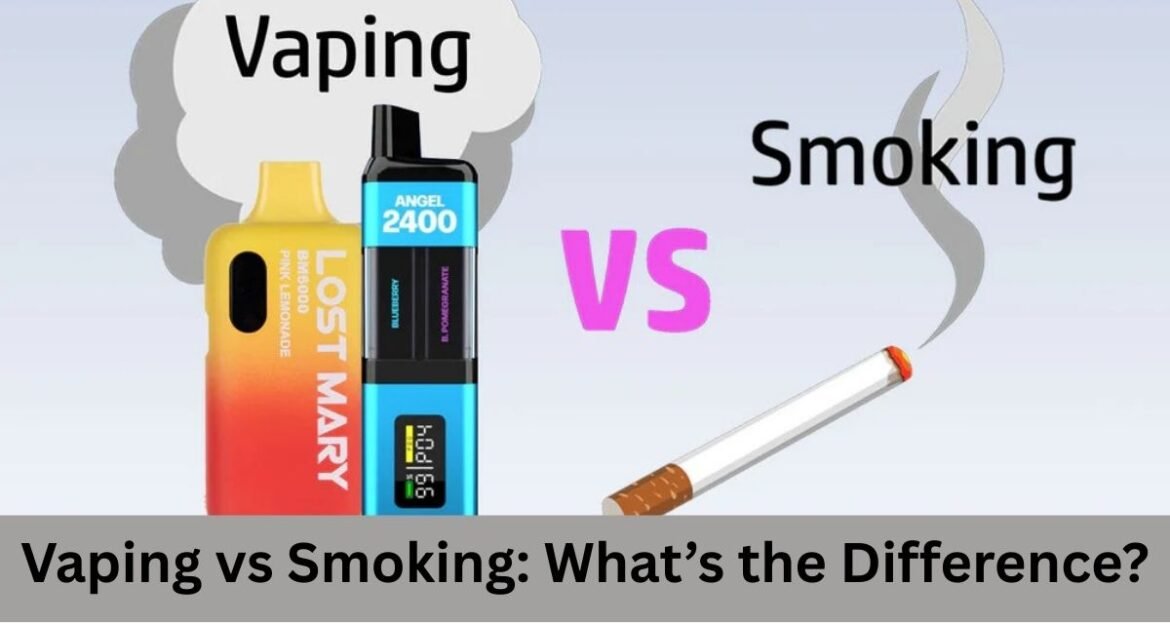
Over the past two decades, the way people consume nicotine has changed dramatically. Traditional cigarette smoking, once the dominant habit worldwide, now shares space with electronic vaping devices that promise a different experience. While both smoking and vaping involve inhaling substances into the lungs, the way they work, what they contain, and how they affect the body are very different. Understanding these differences is important for anyone trying to decide between the two or for those simply wanting to learn how they compare.
This article explores the key differences between vaping and smoking, covering how they work, what they contain, how they feel, and how they impact users and the environment.
1. How Smoking Works
Smoking is the process of burning tobacco and inhaling the smoke produced. A cigarette contains dried tobacco leaves along with various chemicals that help it burn evenly and stay lit. When a person lights a cigarette, the tobacco reaches very high temperatures. This burning process produces smoke, which carries nicotine and thousands of other substances into the lungs.
The smoke from a cigarette is created through combustion, meaning something is being burned. Combustion produces ash, tar, carbon monoxide, and many toxic byproducts. These substances travel deep into the lungs and then into the bloodstream. The nicotine is what creates addiction, but the smoke contains many harmful compounds that are byproducts of burning.
Because smoking relies on fire, the chemical reaction is unpredictable and creates a wide range of toxins. This is one of the biggest reasons traditional smoking is known for being extremely harmful.
2. How Vaping Works
Vaping uses an electronic device to heat a liquid instead of burning tobacco. The liquid, often called e-liquid or vape juice, usually contains nicotine, flavorings, and a base made of vegetable glycerin and propylene glycol. When the device is activated, a battery powers a small heating coil. This coil warms the liquid until it turns into a vapor that can be inhaled.
Unlike cigarettes, vaping does not involve combustion. There is no flame, no burning tobacco, and no ash. The liquid is simply heated to a point where it becomes a mist. This difference in process changes what goes into the body. Instead of smoke filled with thousands of combustion chemicals, the user inhales an aerosol made mostly of vaporized liquid.
This is why vaping is often described as “smoke-free.” Although it still involves inhaling substances, the chemistry of what is inhaled is quite different.
3. What Smoking and Vaping Contain
Cigarettes
Cigarette smoke contains nicotine, but it also includes thousands of other substances. Many of these are produced when tobacco burns. These include tar, carbon monoxide, and other toxic compounds. Some of these chemicals are known to damage the lungs, blood vessels, and organs.
The smoke also contains very small particles that lodge deep inside the lungs. Over time, these particles build up and can cause serious long-term damage.
Vape Liquid
Vape liquid typically has far fewer ingredients. The main components are:
-
A base liquid that creates vapor
-
Nicotine (optional)
-
Flavoring compounds
When heated, this mixture produces an aerosol. While this vapor is not harmless, it does not contain most of the substances created when tobacco burns. That is a major difference between vaping and smoking.
4. Smell and Residue
One of the most noticeable differences between smoking and vaping is the smell. Cigarette smoke has a strong odor that sticks to clothing, furniture, hair, and even walls. This smell comes from the tar and chemicals in the smoke. Even after the cigarette is extinguished, the odor remains for a long time.
Vapor, on the other hand, usually smells like the flavor of the e-liquid being used. The smell is much lighter and fades quickly. It does not leave the same sticky residue that cigarette smoke does. Because of this, vaping is often considered more socially acceptable in many environments.
5. The Experience of Use
Smoking Experience
Smoking a cigarette involves lighting it, inhaling smoke, and holding it briefly before exhaling. The sensation is warm and harsh, and many smokers associate it with a strong throat hit. Cigarettes burn at a constant rate, even when not being puffed, which means they are used up whether or not the person is actively smoking.
Smoking also leaves ash and requires a lighter or matches. The experience is very familiar and ritual-based, which can make it harder for people to quit.
Vaping Experience
Vaping is more controlled. The device only produces vapor when activated. The user can choose how much to inhale and how often. Many devices allow users to adjust airflow, temperature, and nicotine strength.
Vaping is usually smoother than smoking, and the wide variety of flavors makes the experience very customizable. There is no ash, no need for fire, and no cigarette butt left behind.
6. Cost Over Time
Smoking is often expensive because cigarettes are used up quickly. A pack may last only a day or two for a regular smoker. Over weeks, months, and years, the cost adds up significantly.
Vaping devices require an initial purchase, but after that, users mainly buy e-liquid and replacement parts. Because the liquid lasts longer than cigarettes, many people find vaping more affordable over time.
7. Environmental Impact
Cigarette smoking produces a lot of waste. Cigarette butts are one of the most common forms of litter in the world. They take years to break down and contain chemicals that can harm the environment. Smoke also pollutes the air around the smoker.
Vaping produces less physical waste. There are no cigarette butts or ash. However, vaping devices and pods must be disposed of properly, especially because they contain batteries. While vaping still has an environmental footprint, it is different and often smaller than that of traditional smoking.
8. Social and Lifestyle Differences
Smoking is increasingly restricted in public places. Many areas ban smoking indoors and in certain outdoor spaces. This can make smoking less convenient.
Vaping is sometimes allowed in places where smoking is not, though this varies. Because vapor is less intrusive than smoke, it is often viewed as more polite and less disruptive to others.
9. Control Over Nicotine
With cigarettes, the nicotine level is fixed. Every cigarette contains a similar amount, and the smoker has little control over how much they consume per puff.
Vaping offers more flexibility. E-liquids come in different nicotine strengths, including zero-nicotine options. This allows users to gradually reduce their intake if they choose. This level of control is one of the main reasons many people switch from smoking to vaping.
10. Long-Term Considerations
Smoking has been around for centuries, and its long-term effects are well documented. It is known to cause serious health issues and is difficult to quit due to nicotine addiction and the ritual of smoking.
Vaping is relatively new, so research is still ongoing. However, because it does not involve burning tobacco, it avoids many of the harmful byproducts of combustion. This makes it a very different option from smoking.
Conclusion
Vaping and smoking may seem similar because both involve inhaling nicotine, but they are fundamentally different in how they work, what they produce, and how they affect the user. Smoking relies on burning tobacco, creating smoke filled with harmful byproducts. Vaping uses technology to heat a liquid into vapor, resulting in a cleaner and more controlled experience.
From smell and cost to environmental impact and personal control, vaping offers a very different alternative to traditional smoking. Understanding these differences allows people to make more informed choices about their habits and lifestyle.