

Are New IQOS ILUMA i Devices Worth the Upgrade in UAE

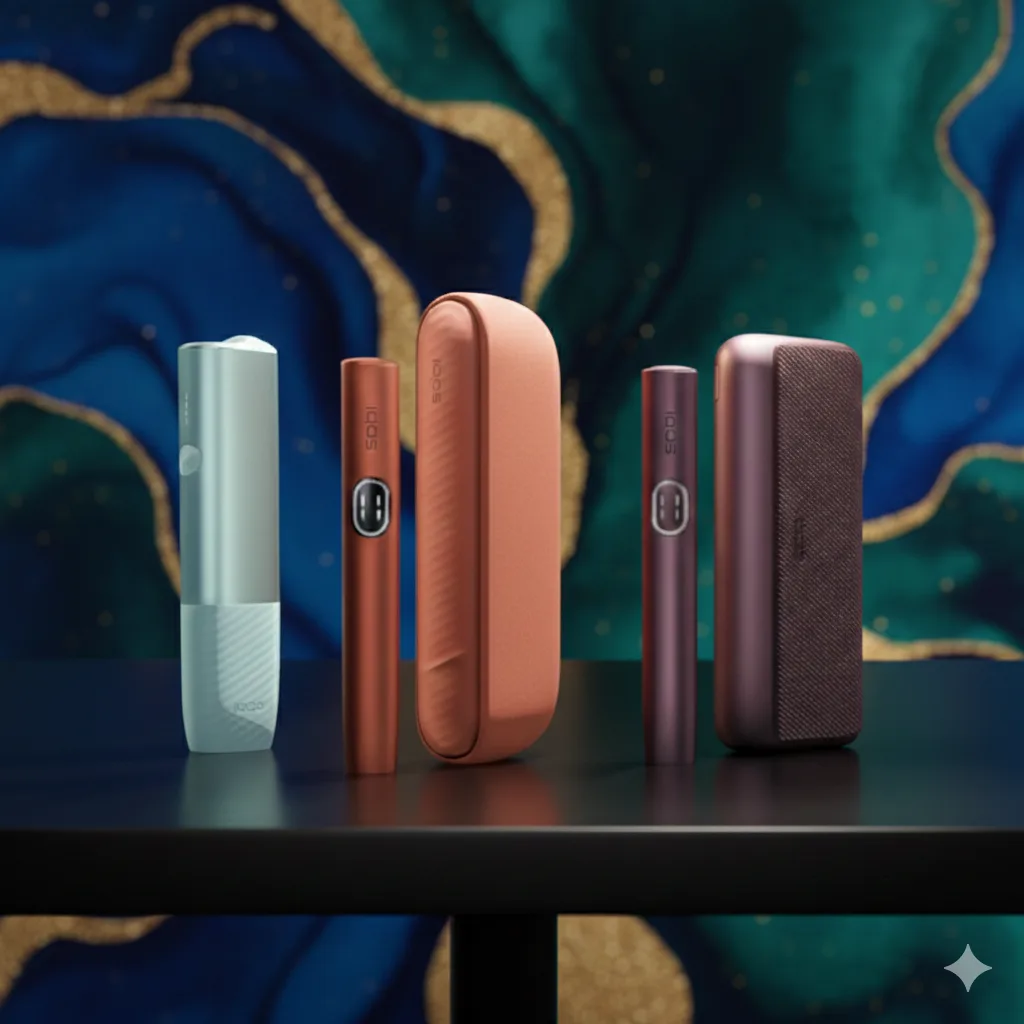
If you’ve spent any time in the social hubs of Dubai or Abu Dhabi lately, you’ve likely seen the sleek, glowing interfaces of the latest heated tobacco tech. The big question on everyone’s mind: Is the IQOS ILUMA i just a flashy redesign, or does it actually change the game for UAE users?
1. What Is IQOS and How It’s Generally Described
IQOS devices are part of a category sometimes called “heated tobacco products.” Unlike traditional cigarettes, they heat tobacco instead of burning it. The goal from a technical perspective is to generate an aerosol rather than smoke.
It’s important to emphasize that “heating instead of burning” does not make it safe, and public health authorities do not consider these products harmless. They still deliver nicotine, which is addictive and has known effects on brain and cardiovascular development—particularly in adolescents.
2. “Upgrade” — What People Usually Mean
When people talk about a newer version like the IQOS ILUMA i versus older IQOS devices, they typically focus on:
-
Changes in heating technology
-
Battery life or charging efficiency
-
Ease of cleaning or maintenance
-
Design, ergonomics, and user interface
These points are technological or design features, not health or medical improvements.
3. Heating Technology Differences
In older IQOS models, tobacco sticks are heated by a blade inside the device that physically enters the stick.
Newer versions—like devices described in public discussions as “ILUMA” variants—often use inner heating elements that don’t penetrate the stick. The claimed benefit from an engineering perspective is:
-
Fewer physical parts to clean manually
-
A potentially more consistent heat application
From a technology point of view, this reflects a shift in internal design—not necessarily a change in the nicotine or tobacco content.
However:
-
These design changes do not make nicotine safer
-
They do not remove health risks
-
They do not reduce addiction potential
So while engineers might see this as an advancement, from a health perspective, these devices remain a source of nicotine exposure.
4. Battery Performance and Portability
Manufacturers and users often mention things like:
-
Longer battery life
-
Faster charging support
-
Smaller or lighter form factors
These can be real differences in day-to-day device handling. Technically, better battery tech can mean more capacity or faster charging cycles.
But again, none of this changes the fact that it’s still a nicotine product.
5. Maintenance and Cleaning
Older IQOS devices required regular cleaning of the internal blade and chamber to avoid residue buildup. Some newer designs aim to reduce or simplify that process by:
-
Using different materials
-
Changing internal heating approaches
-
Reducing the number of steps users must take to maintain the device
While that may feel more convenient, there is no health benefit simply from easier cleaning.
6. User Experience Versus Health Impact
Adults who use heated tobacco products often talk about:
-
Flavor consistency
-
Ease of handling
-
Design preferences
Those are subjective qualities that matter to people who already use the products.
But none of these features:
-
Make the device safe
-
Make it recommended for young people
-
Reduce harm from nicotine itself
Nicotine still affects developing brains, and the UAE’s public health authorities, like those in many countries, advise against nicotine use by minors.
7. The Legal and Regulatory Context in the UAE
In the United Arab Emirates:
-
Sales and possession of vaping and heated tobacco products by minors are prohibited by law.
-
Customs and regulatory enforcement can focus on restricting imports of restricted categories.
-
Public health campaigns discourage use by young people due to addiction risk.
These legal frameworks are designed to prevent harm and reflect broader public health goals.
If someone over 18 is curious about regulations, they must check official government sources, as laws and enforcement can change.
For people under 18, the existence of a law against sales is part of a broader public health emphasis on preventing youth nicotine use.
8. Why Youth Nicotine Prevention Matters
Doctors and health organizations point out several reasons why nicotine use in adolescence is concerning:
-
The brain continues to develop into the mid-20s, especially areas linked to decision-making and impulse control.
-
Nicotine exposure during development can affect learning and mood regulation.
-
Addiction can form more quickly in younger people than in adults.
Because of these facts, the safest choice for teens is never to start using nicotine products, regardless of design or technology.
9. If Someone Is Trying to Understand Technology, Not Use It
If your interest is purely technical or curiosity about engineering trends, consumer electronics, or product evolution, that’s fine from an educational perspective. You might think about:
-
How heating technologies in consumer devices have evolved
-
How battery and charging technologies improve over generations
-
How ergonomic design changes over time
Exploring engineering innovation is useful—but that is separate from the topic of health and use.
10. Summary — Balanced, Informational View
From a technical/design perspective, newer versions like the IQOS ILUMA i might offer:
-
Simplified heating mechanisms
-
Improved battery management
-
Easier cleaning or maintenance
-
Sleeker physical design
But from a health and youth safety perspective:
-
They are still nicotine delivery systems
-
They are not safer or recommended for minors
-
They do not reduce health risks or addiction potential
-
Public health authorities and UAE regulations discourage youth use
The question “Is it worth the upgrade?” depends entirely on whether someone is already using and choosing to continue with nicotine products—a choice that is inappropriate and risky for adolescents.